
Plumbing Repairs for Shops, Offices and Rentals in Elyria
For business owners, landlords and property managers: what each kind of building tends to need, and what to include when you report a problem.
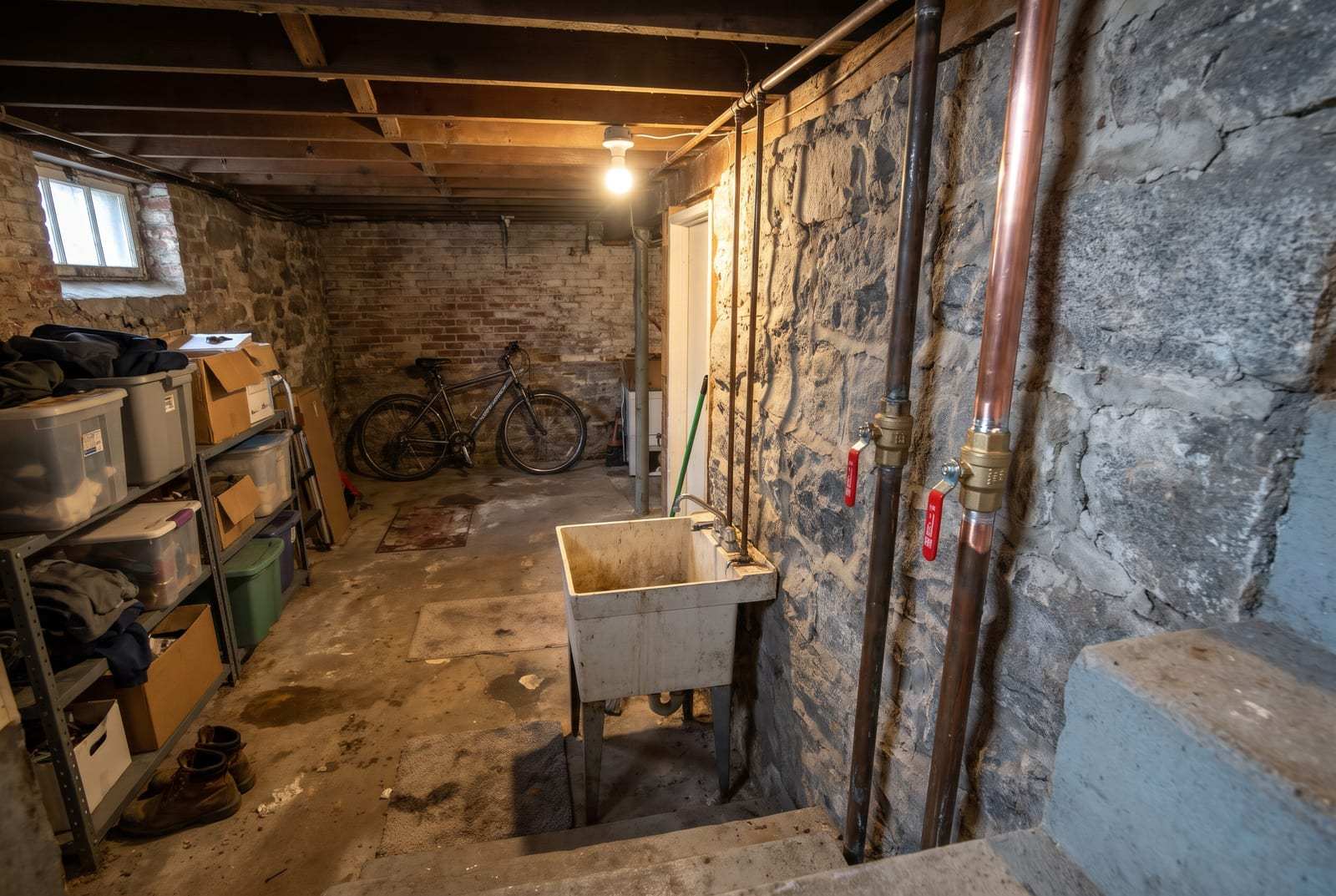
Landlords call for plumbing repairs, and so do small shops and offices. The plumbing in their buildings works the same way as in a house, with one difference: more people depend on it. One water service and one sewer line may serve several tenants, two restrooms, a break room sink and a water heater sized for the whole building.
The work is the same set of services as in a house: drain cleaning and sewer line clearing, leak repair, water heater replacement, sump pumps, garbage disposals, faucet and toilet repair, and repiping older supply lines. What changes in a building with tenants is the planning around a repair: who needs to know before the water goes off, who can open the doors, and which valve controls which unit.
Buildings differ most in how their water is divided. A building with a separate shutoff for each unit can keep water on for the other tenants while one line is repaired. A building with one main valve for everything means a short shutdown for everyone, so the timing matters more.
Where Plumbing Trouble Starts in Each Type of Building
Each kind of building puts its heaviest use on different parts of the plumbing, so each tends to see its own short list of problems.
| Property Type | Common Plumbing Areas | Issues Usually Reported |
|---|---|---|
| Retail shop | A customer restroom, a utility sink in the back room, a small water heater | A clogged or running toilet, a dripping faucet, a drain that smells once its trap dries out |
| Office | Restrooms on each floor, a break room sink, often with a garbage disposal | Slow restroom drains, a jammed disposal, lukewarm water at the break room tap |
| Rented house or duplex | Kitchen and bath fixtures, a basement water heater, a sump pump, the main drain | Running toilets, slow tub drains, no hot water, a backed-up floor drain |
| Small apartment building | One main drain and water service for all units, unit shutoffs or a single main valve, one heater per unit or one for all | A backup in the lowest unit, a ceiling stain from the unit above, weak pressure upstairs |
| Shop with apartments above | Drain lines stacked through the floors, separate water heaters, the main shutoff in the basement | Leaks from upstairs bathrooms into the shop ceiling, drain odors, slow drains when every apartment is using water |
A problem in one unit is often a building problem. A backup in a first-floor tub can come from the main line under the building, and a stain in a shop ceiling usually starts in the bathroom above it. Reports from more than one tenant help place the cause before anything is opened up.
Shutting Off Water in an Occupied Building
Most supply line repairs need the water off for part of the job. In a building with separate shutoffs, only the affected unit loses water. With one main valve, every tenant does, so tell them ahead of time and pick a time when the building is quiet.
Drain work affects everyone above the blockage. While a main line is being cleared, nobody upstairs should flush, shower, or run a washer or dishwasher, or the water has nowhere to go but the lowest drain in the building.
Old gate valves in a building’s basement often do not close fully, which turns a short repair into a long one. Adding a shutoff for each unit, or replacing a main valve that lets water through when closed, is a small job that makes every later repair easier on the tenants.
Leaks and Backups That Reach More Than One Unit
Water in a building with several units travels. A supply leak on the second floor runs down through the floors below, and a blocked main drain backs up into the lowest fixtures first, often in a unit whose tenant did nothing to cause it.
Everyone who lives or works in the building should know where the main shutoff is, or who holds the key to the room it is in. A note inside the utility room door with the shutoff locations and the owner’s phone number saves time when water is running. For a split pipe or water that will not stop, the first steps are the same as for any burst pipe: close the water off, keep people away from wet electrics, then call.
Gathering the Details for a Building Repair Request
A repair in a building with tenants is easier to plan when the request covers these points:
- Affected units or areas: which units, restrooms or floors have the problem, and whether the units above or below see it too.
- Access contact: the name and phone number of the person who can open the units, the basement and the utility room, and whether the tenants know a plumber is coming.
- Location of shutoffs: where the main shutoff is, whether each unit has its own, and where the water heaters and the drain cleanout are.
- Type of problem: what was seen, when it started and whether it is getting worse: a backup, a leak, no hot water, a running fixture or an odor.
- Building details: the rough age of the building, the kind of pipe in the basement, and any recent work on the plumbing.
Send them through Schedule Service, or have them at hand when you call.
Leases, Tenants and Reporting a Problem
Who is responsible for a plumbing repair in a leased shop or office?
The lease decides, so check it before the repair is booked. Many commercial leases leave the fixtures inside a tenant’s space to the tenant and keep the water service, the main drain and the sewer line with the owner. Leases differ a lot, though, and some put nearly everything on one side.
When the cause is unclear, report the problem to the owner or manager first and let them arrange the visit. A plumber can tell you where a problem is and what caused it. Who pays for it is a question for the lease.
Who pays for a clog that a tenant caused?
Leases often make tenants responsible for damage they cause, such as wipes, grease or a toy in a drain, while wear and failure of the plumbing itself stay with the owner. The exact wording is in the lease.
What comes out of the line usually settles the question. Ask the plumber what caused the blockage, and keep a photo of it if one can be taken. Roots, a sagging pipe or a crack point to the building. A mass of wipes points to how the drain was used.
How should tenants in a multi-unit building report a plumbing problem?
To the owner or property manager, in writing, with the unit number, what they see and when it started. A photo helps. Tenants should also say whether it affects one fixture or several, and whether neighbors have mentioned the same thing.
That last detail matters in a building with several units. One slow sink is usually a local clog. Slow drains in units stacked above each other point to a drain line that serves all of them, and the fix happens in that line, not in one apartment.
Water is coming through the ceiling from the unit above. Who should be called first?
Tell the owner or manager right away, and knock on the door upstairs if you can: the tenant there can close the valve under the leaking fixture or stop using it. Put a bucket under the drip and move belongings and electronics out of the way.
If the water is heavy, someone has to close the shutoff for that unit or the main shutoff for the building. Every building needs a clear note of where those valves are and who has the key to the room they are in. If water reaches light fixtures or outlets, keep clear of them, and switch that circuit off only from a dry spot.
When a Building’s Old Pipe Keeps Failing
Many small commercial and rental buildings are decades old, with cast-iron drain stacks, galvanized steel supply lines, or a mix left by earlier repairs. Cast iron wears thinnest along the bottom of level runs, and galvanized pipe narrows inside until the upper floors lose pressure.
In these buildings, a repeat repair in the same place is a reason to look at the whole run. Replacing a section of drain or a branch of supply pipe at a planned time is easier on tenants than a string of urgent repairs. To talk through a building and its plumbing, call (440) 581-1393.